The Unexpected Issue Dividing Parties and Midterm Candidates
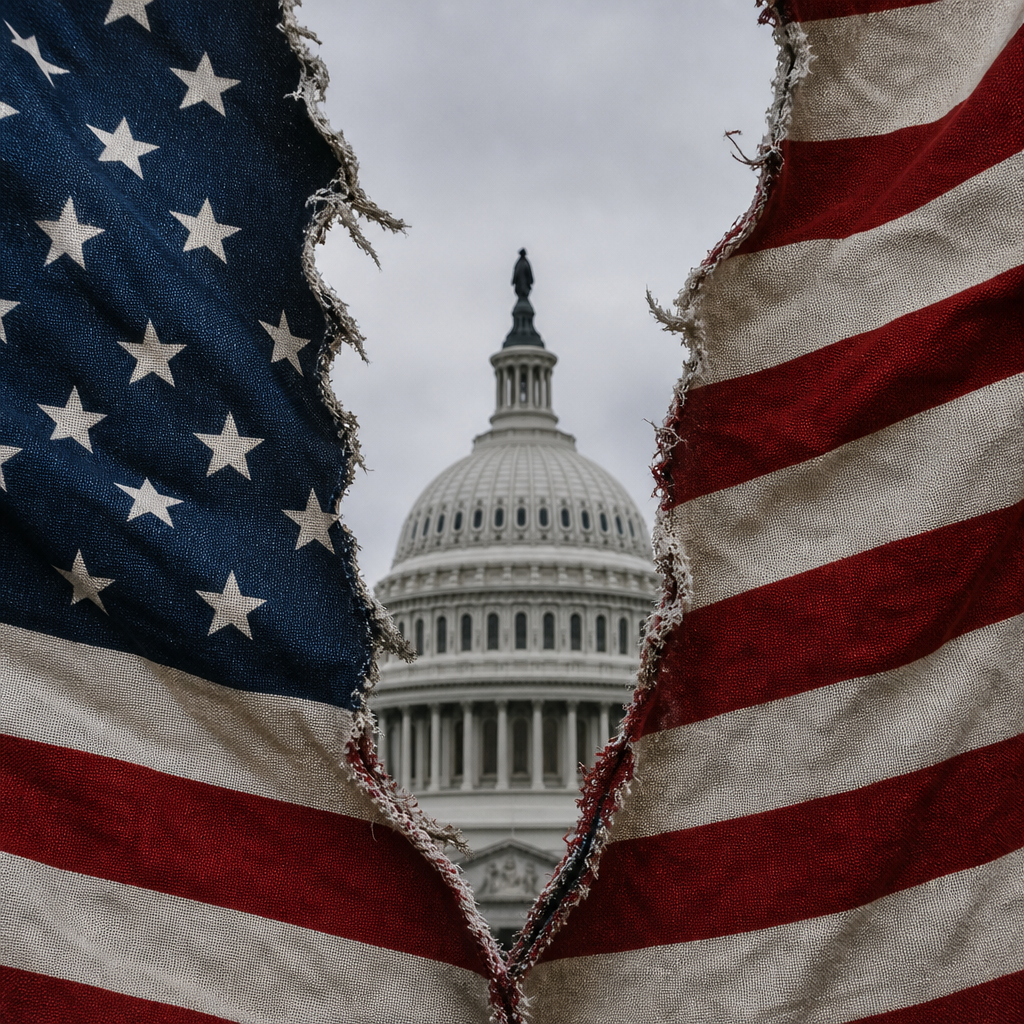
In the ever-changing landscape of politics, a new and unexpected issue has taken the spotlight, causing rifts not only between parties but also among candidates in the midterm elections. While traditional topics like the economy, healthcare, and foreign policy remain central, this emerging concern has shifted focus and voter sentiments.
As campaigns ramp up, political strategies are being redefined to address this polarizing topic, which holds the potential to sway the upcoming elections. Candidates are finding themselves at a crossroads, determining where they stand on this new issue that could define their political futures.

The Emerging Issue: A New Contender in Political Discourse
This new topic has emerged seemingly out of nowhere, catching many campaigns off guard. With origins in grassroots movements and recent societal shifts, this issue speaks to a growing concern that resonates deeply with many voters. Despite its novelty, its impact is quickly growing.
Supporters argue that addressing this issue is imperative to the nation’s future, while opponents question its validity and the timing of its emergence. This divide has added a new dimension to the electoral conversation, complicating campaign strategies that were once straightforward.
Reasons Behind the Divide
- The issue taps into core values that differ fundamentally between parties.
- Media portrayal and real-time discussion on social platforms have exacerbated tensions.
- Previous lack of attention in political debates now adds urgency to define stances.
The Impact on Midterm Campaigns
With midterm elections on the horizon, candidates must navigate this new terrain which has shifted voter priorities. Traditional campaign messages are being revisited, tailored to address the pressing demands of this new concern.
Campaign teams are working overtime to research, engage with this topic, and more importantly, understand its implications at the grassroots level. Voter education and community engagement have become crucial components in what was thought to be a finished political checklist.
Case Studies: Candidates’ Stances
| Candidate | Party | Stance |
|---|---|---|
| John Doe | Party A | Strong supporter, advocating for immediate policy changes. |
| Jane Smith | Party B | Cautious engagement, calling for more data-driven discussions. |
Each candidate’s stance is a calculated decision aimed at solidifying their base while also vying for undecided voters, making strategic outreach important.
Conclusion: The Road Ahead
As we move closer to the midterms, this unexpected issue will likely continue to be a focal point in political discourse. Candidates and their parties are faced with a unique challenge, shaping their platforms in response to an evolving voter landscape.
Whether this issue will remain a long-term fixture in politics or wilt under new developments remains to be seen, but its present impact is undeniable, reshaping campaigns and political priorities across the board.