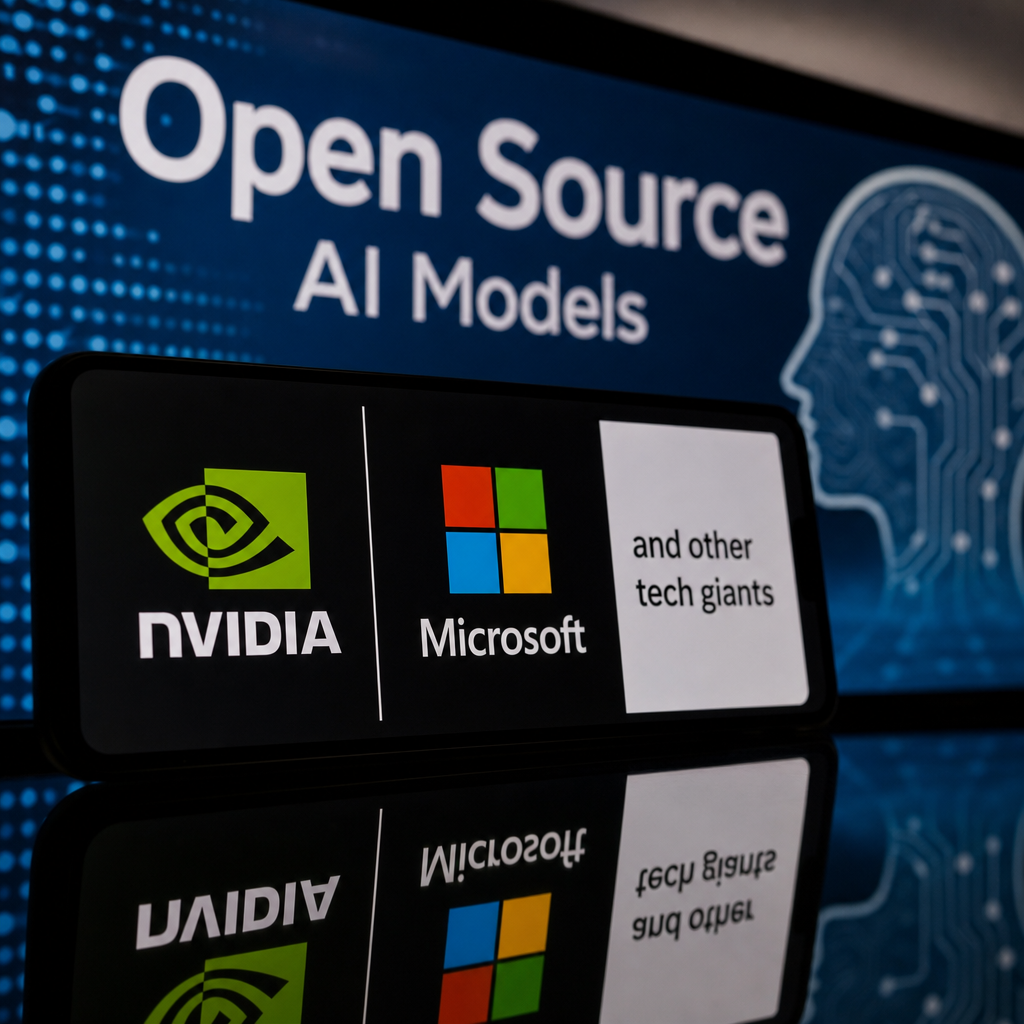
The Rise of Open-Source AI: How Tech Giants Like Nvidia and Microsoft Are Paving the Way
In the rapidly evolving landscape of artificial intelligence, a groundbreaking shift is underway. Tech behemoths such as Nvidia and Microsoft are increasingly supporting open-source AI models. This move is not just a pivot towards transparency, but a definitive step toward democratizing AI technology. As closed systems are reconsidered, a collaborative spirit is driving improvements and advancements in the field.
This transformation is not an isolated phenomenon; it’s a vivid testament to the power of collaboration in the digital age. By embracing open-source models, these companies are inviting innovation from all corners of the globe, enabling researchers, developers, and enthusiasts to contribute and build upon existing technologies. The ramifications of this approach reach far beyond proprietary confines, potentially enriching industries and enhancing the scope of what’s possible.

Why Open-Source Matters
Open-source AI models offer unprecedented access, flexibility, and opportunity. Unlike proprietary systems that are often bogged down by red tape and intellectual property concerns, open models invite widespread participation.
Benefits of Open-Source AI
- Collaboration: Open-source fosters a culture of collaboration, allowing a diverse range of voices to contribute to AI developments.
- Rapid Innovation: With input from a global community, innovations are developed and deployed at a much faster rate.
- Cost-Effective: By reducing the reliance on expensive, commercially licensed software, open-source solutions are more cost-effective for organizations.
Case Studies: Companies Leading the Charge
Nvidia and Microsoft are at the forefront of this open-source movement, each bringing their unique expertise and resources to the table.
Nvidia’s Contribution
Nvidia has long been a leader in advancing AI capabilities. Their open-source initiatives focus on tools that aid developers in building sophisticated AI models efficiently. By sharing these tools freely, they empower others to innovate without starting from scratch.
Microsoft’s Strategy
Microsoft has similarly bolstered its commitment to open-source AI, investing heavily in platforms that support seamless integration and development. Their open-source approach aligns with their broader vision of a connected and intelligent world.
How This Impacts the Industry
The shift to open-source is reshaping the AI landscape in profound ways.
Education and Research
Educational institutions and researchers can access state-of-the-art tools without prohibitive costs, accelerating learning and discovery.
Industry-Wide Applications
Industries ranging from healthcare to finance are set to benefit from improved AI tools, leading to better decision-making and outcomes.
| Company | Open-Source Initiative | Impact |
|---|---|---|
| Nvidia | AI Toolkits | Accelerating AI development |
| Microsoft | Integration Platforms | Enhancing connectivity |
The Future of Open-Source AI
The support from tech giants signals a promising future for open-source AI. As more companies join this movement, the barriers to innovation will continue to diminish.
Challenges to Overcome
- Intellectual Property Concerns: Balancing open-source collaboration with intellectual property rights remains a significant challenge.
- Quality Control: Ensuring the quality and security of widely contributed open-source projects is critical.


