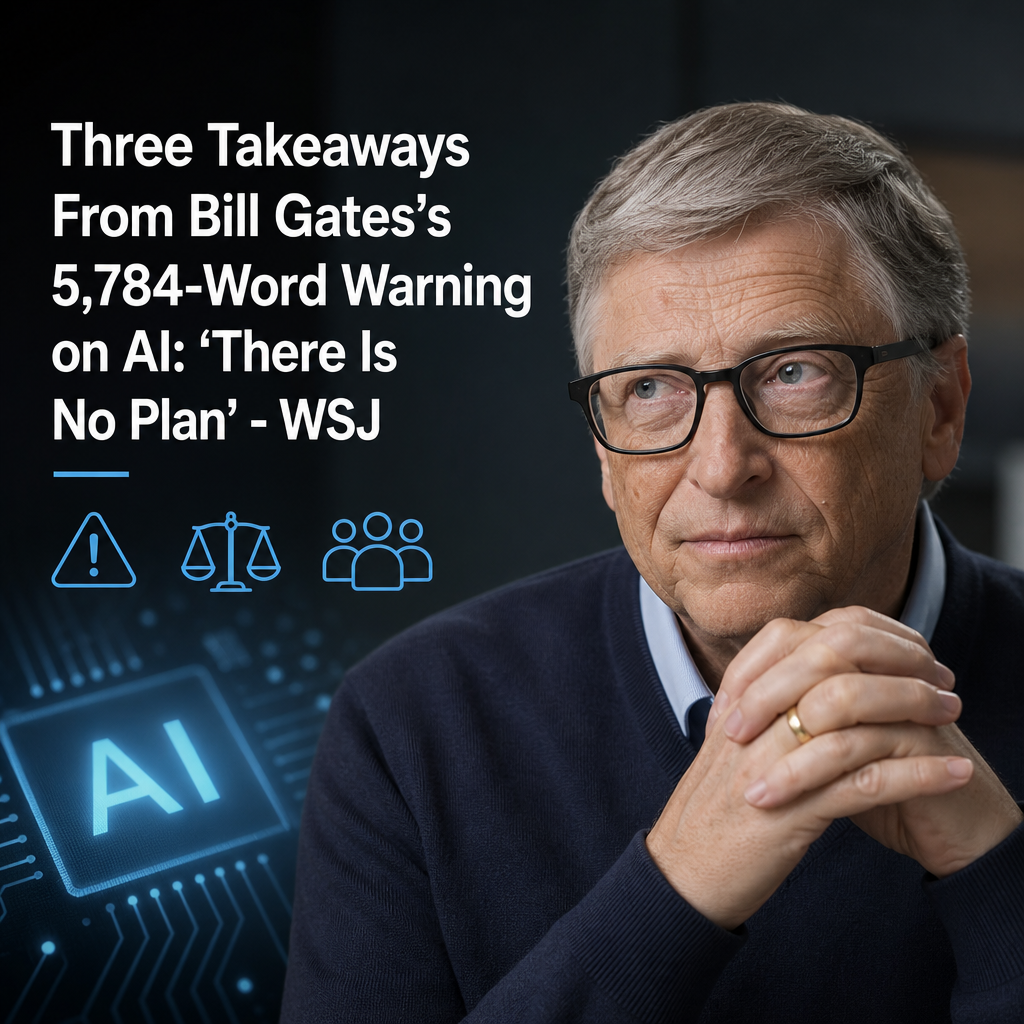
The Costs and Rewards of AI: Big Tech’s Golden Era
Artificial Intelligence has emerged as the new gold rush for big tech companies, with staggering potential to revolutionize industries across the globe. However, the rapid advancement and deployment of AI technologies also come with significant challenges and costs that cannot be ignored.
This duality—of boundless opportunity and profound responsibility—creates a compelling narrative about the future of AI-driven innovations. Let’s delve into how big tech is navigating these turbulent waters, striking gold but paying a steep price.

The Lure of AI: Potential for Growth
AI technologies promise unprecedented progress across various sectors. From healthcare to finance, AI-driven solutions provide the potential for increased efficiency, better decision-making, and transformative advancements.
The potential for financial gain from AI innovations is enormous. Companies are investing billions to not only lead the AI charge but to dominate it. AI’s market value is projected to multiply in the coming years.
Key Benefits of AI
- Scalability: AI systems can process vast amounts of data quickly, enabling businesses to scale operations without proportional increases in cost.
- Personalization: AI algorithms offer personalized experiences by analyzing consumer preferences, boosting engagement and satisfaction.
- Automation: Tedious and repetitive tasks can be automated, freeing up human resources for more strategic roles.
The Steep Costs Involved
However, the pursuit of AI-driven success is not without its formidable hurdles. The challenges extend beyond mere financial cost to ethical and societal considerations.
Massive investments in data centers and cutting-edge technology are just the tip of the iceberg. There are hidden costs to consider.
Key Challenges of AI
- Data Privacy: The collection and processing of huge data sets pose risks to user privacy, necessitating stringent security measures to protect sensitive information.
- Ethical Concerns: From biased algorithms to the potential for AI misuse, ethical issues require careful oversight and regulation.
- Environmental Impact: High-performance computing and extensive data centers expound a toll on energy resources, raising concerns about sustainability.
Balancing Innovation and Responsibility
Big Tech must tread a fine line between driving cutting-edge innovations and adhering to their responsibilities as industry leaders. It’s a balancing act where missteps could prove costly both financially and reputationally.
Governments and regulatory bodies are increasingly stepping in to ensure that AI development adheres to ethical and societal norms. Companies need to advocate for responsible AI policies.
The Role of Regulation
Regulatory measures are necessary to curb potential excesses and protect consumer interests. An established legal framework ensures fair play across the tech landscape.
| AI Benefits | AI Costs | Regulatory Role |
|---|---|---|
| Operational Efficiency | Privacy & Ethical Concerns | Establish guidelines |
| Innovative Solutions | High Energy Consumption | Monitor compliance |
| Market Leadership | Investment Needs | Facilitate dialogue |
AI holds the promise of dramatically enriching the human experience, a tantalizing prospect for tech giants. Yet, they must acknowledge the gravity of the hurdles ahead in this pursuit. The dance between advancing AI and managing its ramifications is delicate but crucial.