China’s Strategic Moves in AI: Navigating Tighter Export Controls
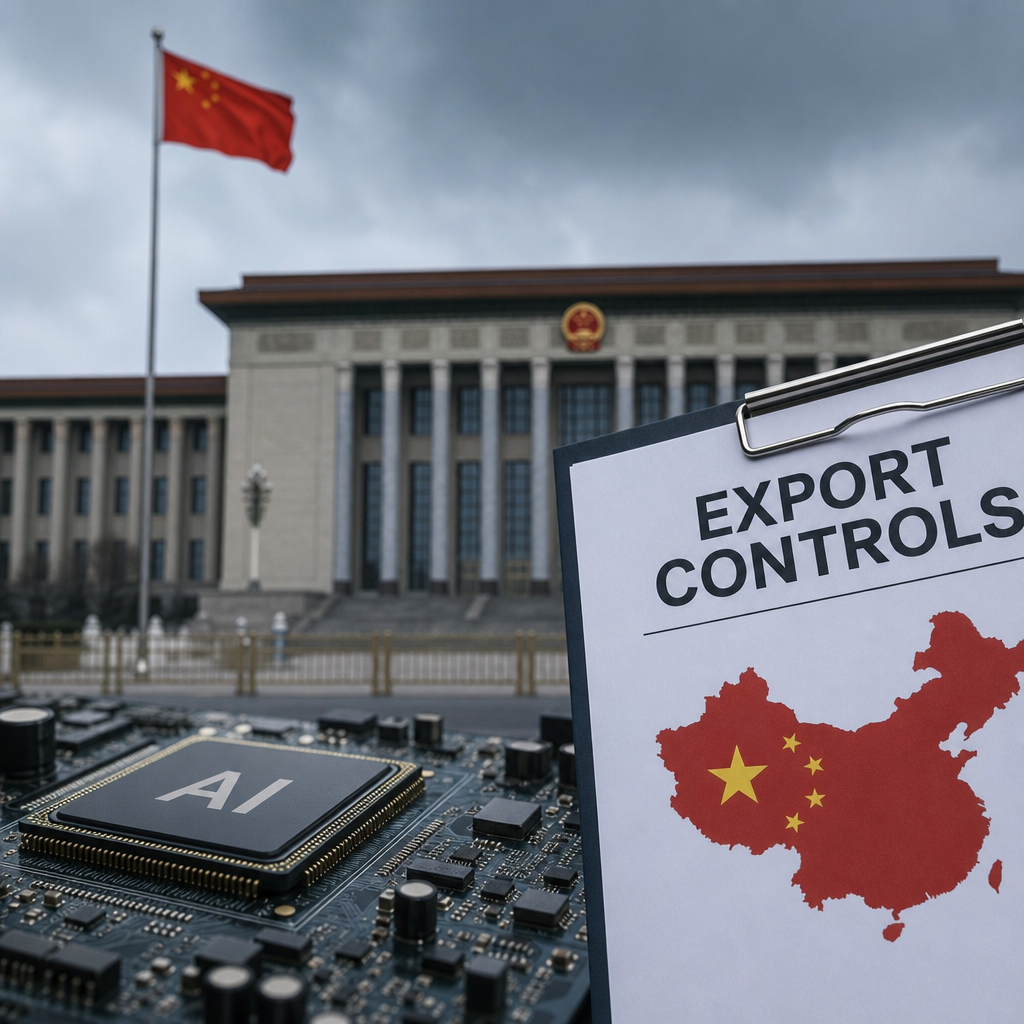
In a world increasingly dominated by artificial intelligence, the intricate interplay of technology and international relations has never been more pronounced. China’s latest deliberations on tightening export controls on AI models and chips stand at the forefront of this unfolding drama, casting ripples across global supply chains and tech ecosystems.
The Financial Times’ recent coverage dives into this complex narrative where technological prowess, economic ambitions, and geopolitical considerations intersect. As China keeps its gaze firmly set on maintaining a competitive edge, these potential policy changes could fundamentally reshape the AI landscape on a global scale.

Understanding China’s Strategic Intentions
Navigating Global Competition
China’s deliberations on export controls are driven by more than just trade regulations. At play are intricate geopolitical strategies and a deep-seated desire to lead in AI technology, especially as the global race heats up. By controlling exports, China aims to ensure its technological advancements aren’t easily replicated elsewhere.
Preserving National Security
National security concerns also underpin these policy shifts. With AI’s vast implications for defense and intelligence, controlling access to cutting-edge technology becomes a strategic safeguard, protecting state secrets and ensuring technology does not fall into adversarial hands.
The Global Repercussions
Impact on International Markets
Any new restrictions could drastically affect global markets. Countries heavily reliant on Chinese AI technology may face a sudden need to pivot, sourcing alternatives or investing in domestic capabilities. This disruption, although challenging, might spur innovation and diversification in the industry.
Supply Chain Dynamics
The intricate supply chains that drive the tech world are delicate and complex. Export controls by a giant like China could lead to logistical challenges, affecting timelines and costs for products reliant on AI technology, from consumer electronics to industrial equipment.
- Potential for New Alliances: As nations adjust, there’s potential for new partnerships. Countries with emerging AI capabilities could offer alternatives, leading to a reconfiguration of alliances and collaborations.
- Increased Investment in R&D: To mitigate reliance, companies and countries may bolster their investment in research and development, seeking to elevate their AI capabilities independently.
The Technological and Economic Landscape
Innovation Driven by Challenge
History often shows that restriction stimulates innovation. The potential tightening of exports in China could serve as a catalyst for technological breakthroughs as businesses strive to circumvent limitations and develop unique solutions.
Economic Forecast: A Table of Possibilities
| Scenario | Impact |
|---|---|
| Stringent Controls | Increased costs, heightened innovation, shifts in global supply chain |
| Moderate Controls | Paced transition towards diversifying partners and tech capabilities |
| No Change | Status quo is maintained; continuous growth in existing paradigms |
Conclusion: Navigating the New AI Frontier
As nations and companies brace for potential changes, strategic foresight will be paramount. The juxtaposition of tightening controls with a global hunger for technological advancement sets the stage for a nuanced narrative, one where adaptability and resilience are as invaluable as innovation itself.
The decisions made by China today could ripple into a new era of AI development where international cooperation and competition exist in a delicate balance, shaping the digital landscapes of tomorrow.