China’s Breakthrough in Cybersecurity: A New Chapter in the AI Race
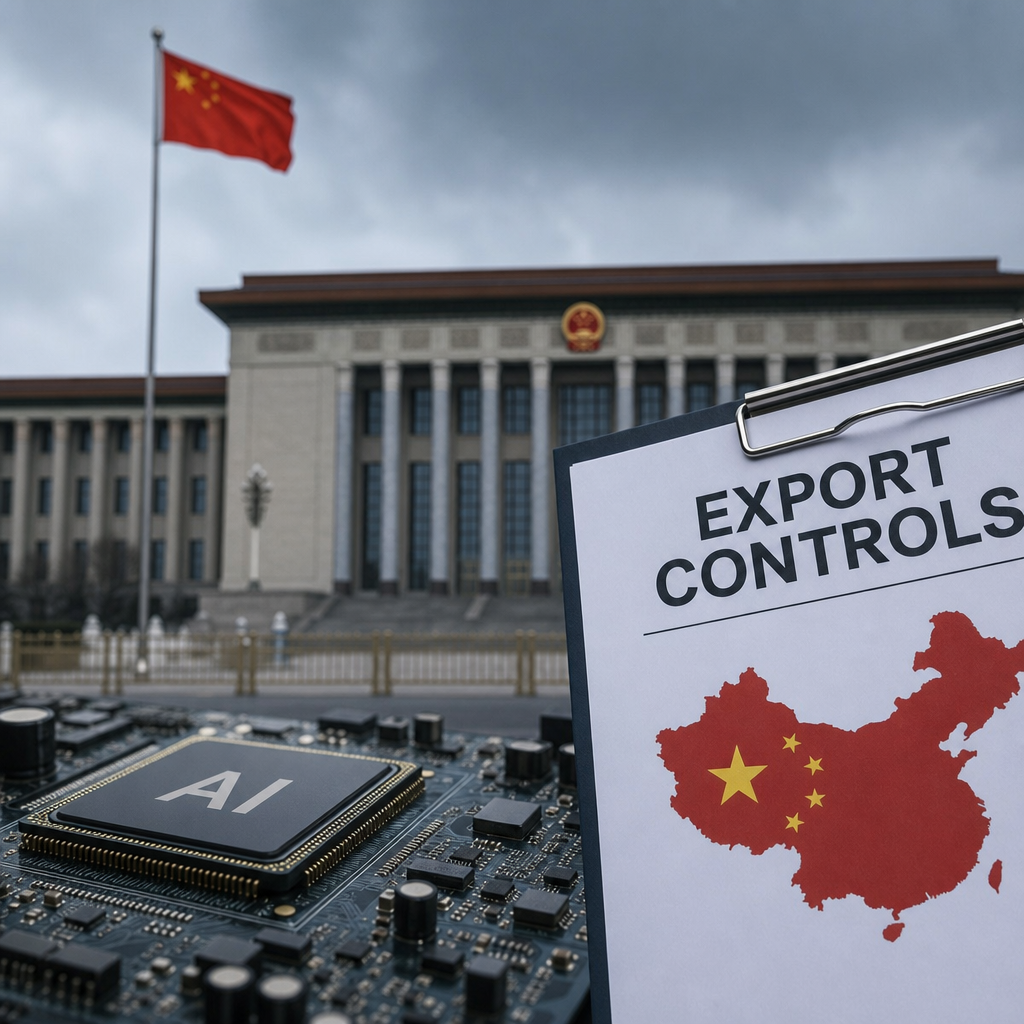
In the complex landscape of global technology, the race for artificial intelligence supremacy has taken a new, unexpected turn. China’s recent achievement in matching Anthropic’s capabilities in cybersecurity has altered the dynamics of the AI race, challenging assumptions and redefining the power balance.
This development raises profound questions about the future trajectory of AI and cybersecurity. With both China and Anthropic leading in this cutting-edge field, the world must grapple with the implications on digital security, international relations, and technological innovation.

Understanding China’s Cybersecurity Leap
China’s advancements in cybersecurity technology have been both rapid and strategic. Unlike in the past, where technological advances were often overtaken by Western counterparts, China’s recent strides illustrate a determined focus on becoming a leader in AI-driven cybersecurity solutions.
These developments have been underpinned by significant government investment and a burgeoning tech ecosystem that supports innovation and development.
The Global Implications
The ramifications of China’s achievements extend far beyond its borders. International markets now face a more competitive landscape as China’s technological benchmarks demand recalibration of existing cybersecurity solutions.
This competition might spur innovation globally, yet it also raises concerns about the potential for increased cyber conflicts and the need for robust international cyber regulations.
A Comparative Analysis
| Aspect | China’s Achievement | Anthropic’s Achievement |
|---|---|---|
| AI Capability | Advanced machine learning algorithms with robust adaptability | State-of-the-art models fostering ethical AI development |
| Investment | Significant government-funded support | Independent research with substantial private sector backing |
| Impact | Doubling cybersecurity effectiveness over previous models | Enhancing AI reliability and interpretability globally |
Challenges Ahead
Despite the excitement surrounding China’s accomplishments, several challenges remain. The integration of such advanced technology poses the threat of increased cyber threats if not managed well.
Moreover, the ethical considerations of deploying AI in sensitive domains cannot be understated, requiring careful scrutiny and governance on how these AI tools are used.
Striking a Balance
As both China and Anthropic continue to enhance their capabilities, a concerted effort toward collaborative regulation and ethical guidelines becomes imperative. International bodies may need to step in to mediate and ensure that AI advancements serve the global good.
Ultimately, the goal should be to navigate this AI race in a manner that prioritizes security, innovation, and ethical interaction.
The Road Ahead
The next decade will be crucial as China and its counterparts iterate on their cybersecurity technologies. Collaboration, rather than competition, might result in a safer digital environment.
By fostering a culture of shared knowledge and mutual development, society can harness AI’s full potential while mitigating risks effectively.
- Increased international collaboration leads to safer technology growth.
- The emphasis on ethics ensures technology benefits broader humanity.
- Striking a balance between security and innovation is key.