The Impacts of AI in Veterinary Medicine: Successes and Challenges
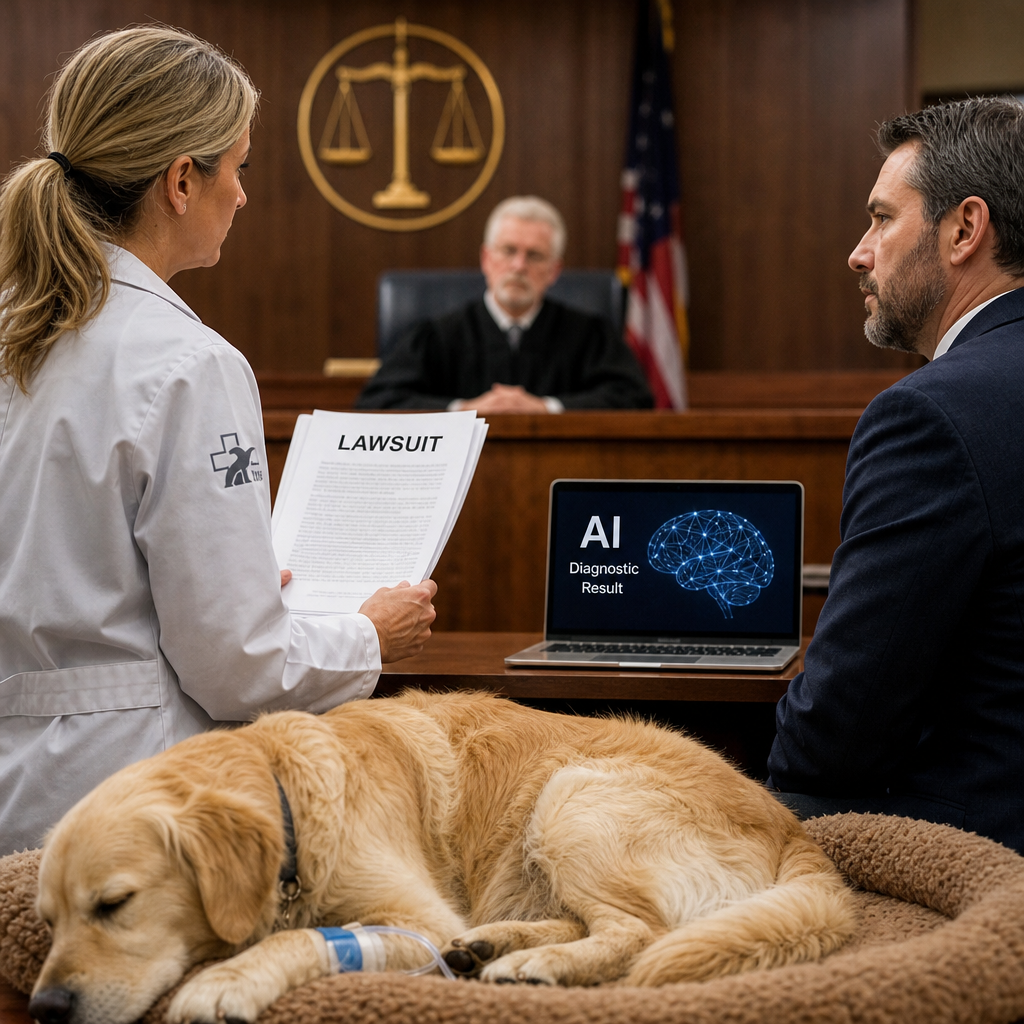
In the ever-evolving world of veterinary medicine, technology plays a crucial role in enhancing the way animals are treated and diagnosed. Artificial intelligence (AI) has emerged as a groundbreaking tool, promising to bring precision and accuracy in diagnoses. However, a recent incident in Oregon has cast a spotlight on the potential downsides of relying heavily on AI systems. An Oregon veterinary hospital has taken legal action against a tech company, claiming that a misdiagnosis made by AI led to the tragic death of a dog.
This case has stirred discussions in both the tech and veterinary communities, raising questions about the reliability and ethical considerations surrounding AI in medical settings. As we delve deeper into this subject, we will explore the dual nature of AI in veterinary practice – its benefits and the pitfalls that might emerge when technology falters.

The Rise of AI in Veterinary Medicine
From Diagnostics to Treatment
Artificial Intelligence has revolutionized veterinary medicine by enhancing diagnostic capabilities. Through advanced image recognition and data processing, AI systems can analyze X-rays and MRIs with high precision, often faster than a human clinician. Such advancements have led to quicker diagnosis, allowing for expedient treatment plans.
Cost Efficiency and Resource Management
Incorporating AI systems assists in managing costs within veterinary practices. AI helps prioritize resources and improve decision-making, ultimately reducing the overhead associated with misdiagnoses or late interventions. This efficiency trickles down to the pet owner, ensuring affordable care for their companions.
- Fast image analysis and diagnostics
- Improved treatment planning
- Reduced costs for veterinary practices and pet owners
Challenges of Relying on AI Systems
The Case of Misdiagnosis in Oregon
The incident in Oregon serves as a cautionary tale. The veterinary hospital claims that the AI system used misinterpreted the dog’s scans, leading to a treatment plan that proved fatal. This has raised concerns about the reliability of these advanced technologies, especially in life-and-death situations.
Errors made by AI can stem from various factors. Data input errors, lack of comprehensive databases for rare conditions, or even biases ingrained within the algorithm can all contribute to erroneous outcomes. This emphasizes the need for human oversight when deploying AI in sensitive fields.
Ethical and Legal Implications
With the increasing reliance on AI, legal and ethical implications have come to the forefront. Who holds accountability in cases of AI-induced errors brings about complex legal ramifications. Veterinary professionals, tech companies, and software developers may find themselves entangled in legal challenges, as in the Oregon case.
| Challenge | Impact | Solutions |
|---|---|---|
| Misdiagnosis | Potentially fatal treatment plans | Regular system audits and human oversight |
| Data Bias | Inaccurate results for specific demographics | Diverse and comprehensive training datasets |
| Legal Responsibility | Complex accountability | Clear guidelines and regulations |
Moving Forward: Balancing Technology and Human Expertise
Integrating AI with Veterinary Expertise
The ultimate goal is to strike the right balance between AI’s capabilities and human expertise. Veterinary professionals should remain deeply involved in interpreting AI-generated results and making final decisions. This dual approach may increase accuracy and reliability in medical interventions.
Future Directions and Innovations
Looking forward, continuous improvement and testing of AI systems will be vital. Transparency in AI processes, alongside regular updates and collaborations with veterinary experts, will enable advancements without compromising safety. Developing robust systems that learn from past errors can potentially enhance the trust in AI technologies.
As AI continues to play a transformative role in veterinary medicine, it is crucial to carefully navigate its implementation. Lessons from incidents, such as the Oregon case, can pave the way for stronger, safer AI utilization, ensuring that technology remains a helpful partner in safeguarding animal health.